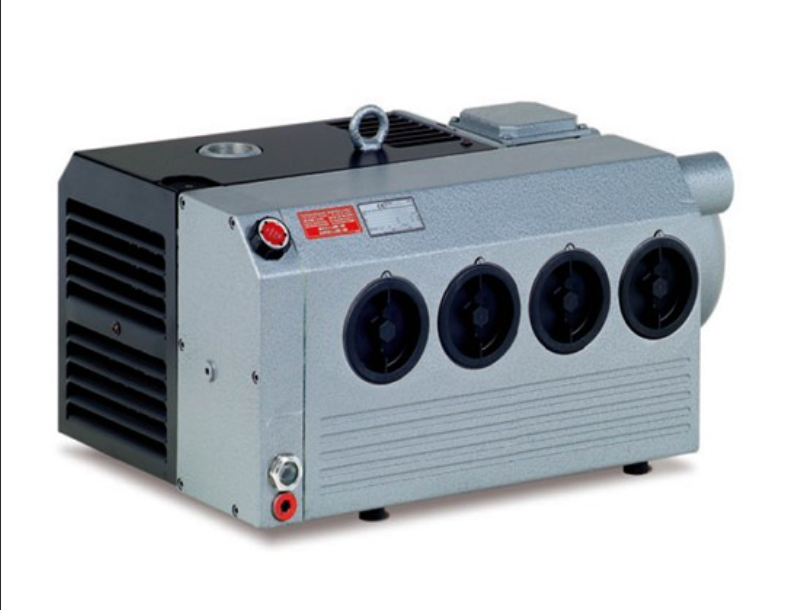
Beyond Ultimate Pressure: How to Correctly Match Elmo Rietschle Vacuum Pumps for Your Application
In industrial production and laboratory research, selecting the right vacuum pump is critical for efficiency. Many users prioritize Ultimate Pressure (the lowest pressure a pump can reach), but true performance depends on matching multiple parameters to your specific operating conditions.
Whether you are considering Gardner Denver, Elektror, NASH, FPZ, or Elmo Rietschle, here are the key factors you must evaluate to avoid system failure:
1. Volume Flow Rate (Pumping Speed)
This determines how fast the pump removes gas (measured in m³/h or L/s).
Matching Rule: Calculate based on chamber volume and target time. For example, a 100L chamber requiring 10Pa in 1 minute needs at least 6m³/h.
Impact: Insufficient speed slows production; excessive speed wastes energy.
2. Operating Pressure Range
Ensure the pump works efficiently within your required pressure zone.
Rotary Vane Pumps: Best for low vacuum (1000Pa–0.1Pa).
Molecular Pumps: For high vacuum (0.1Pa–10⁻⁷Pa), usually requiring a backing pump.
3. Gas Compatibility
Analyze the medium you are pumping to prevent damage.
Corrosive Gases (e.g., Chlorine): Use dry pumps with anti-corrosion materials (like nickel alloys) instead of oil-lubricated pumps.
Condensable Vapors: Use gas ballast valves or condensers to prevent liquid accumulation inside the pump.
4. Ultimate Vacuum vs. Base Pressure
Ultimate Vacuum: The theoretical limit of the pump.
Base Pressure: The actual stable pressure in your system.
Tip: If Base Pressure is high, check for system leaks or material outgassing using a helium leak detector.
5. Energy Consumption & Maintenance
Consider the Specific Energy Consumption (power per unit of pumping speed).
Case Study: Switching from liquid ring pumps to dry screw pumps can reduce annual maintenance costs by up to 60%. Dry pumps often have a higher initial cost but lower long-term TCO.
6. Vibration & Noise Levels
Critical for sensitive equipment like electron microscopes.
Scroll Pumps: Low vibration (<0.5mm/s), ideal for clean environments.
Roots Pumps: May require vibration damping mounts to ensure stability.