

German Elektror Fans in Food Processing: Applications and Advantages in "Process Drying & Cooling"
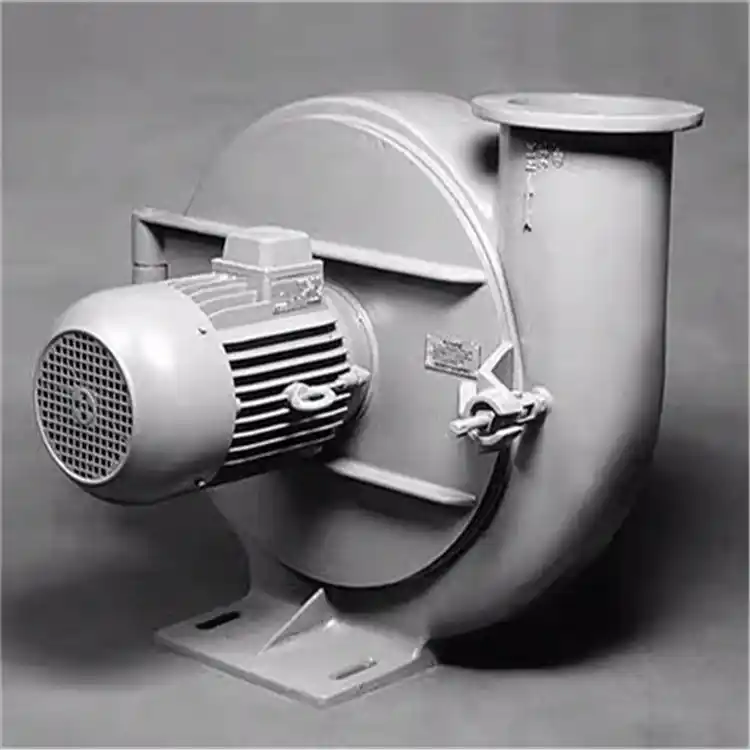
In the "Process Drying & Cooling" stage of food processing, HRD fans play the role of a key process airflow provider. Their core value lies in providing stable, controllable, and high-intensity airflow that directly participates in and optimizes the physical processing of food, thereby guaranteeing the quality, safety, and consistency of the final product.
I. In-Depth Analysis of Application Scenarios
"Process Drying & Cooling" is a core post-processing step that determines the taste, texture, safety, and shelf life of food products. The application of HRD fans runs through this entire process:
1. Convection Drying Process
Integration: HRD fans are integrated into drying ovens, tunnels, or fluidized bed dryers. Rather than simply blowing air, they provide airflow with specific temperature (often paired with heaters), speed, and uniform distribution based on process requirements, blowing directly onto the food surface.
Process Objectives:
Vegetable/Fruit Dehydration: Continuous, uniform hot air removes internal moisture, achieving rapid dehydration while maximizing the retention of nutrients and color, and inhibiting microbial growth.
Noodle/Pasta Drying: In a controlled temperature and humidity environment, airflow parameters are adjusted in stages to dry noodles uniformly from the outside in, preventing surface cracking, residual internal moisture, or breakage due to over-drying.
Powder Products (e.g., Milk Powder, Seasoning) Drying: In the final stage of spray drying towers or fluidized beds, airflow is provided for final drying and cooling to ensure powder moisture content meets standards and maintains good flowability.
2. Rapid Cooling Process
Integration: HRD fans are installed above cooling tunnels, cooling conveyors, or in independent cooling rooms. They provide a large volume of ambient or low-temperature air to force-cool food that has just completed thermal processing (e.g., baking, frying, sterilization).
Process Objectives:
Bakery Products (Bread, Biscuits) Cooling: Products are extremely hot upon exiting the oven, with internal moisture still evaporating. Powerful cooling rapidly sets the shape, prevents deformation, and quickly lowers the product's core temperature to a safe range, preventing over-drying, darkening, or microbial growth caused by residual heat.
Candy/Chocolate Cooling: After coating or molding, rapid solidification is required. Controllable cold air precisely manages the cooling rate, avoiding cracks, blooming (fat separation), or loss of gloss due to uneven cooling.
High-Temperature Packaged Food Cooling: After hot filling or sterilization, products must be rapidly cooled to room temperature for labeling and boxing. Efficient cooling significantly shortens the production cycle and prevents heat accumulation inside packaging boxes.
3. Combined Drying & Cooling Application
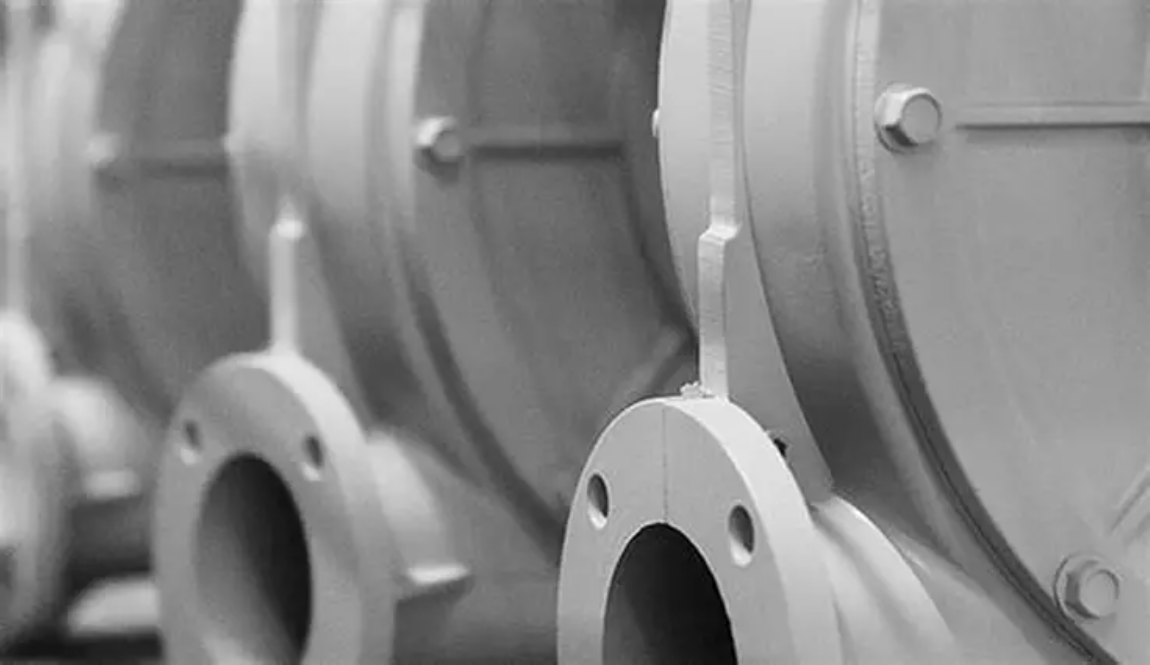
Integration: In certain processes, drying and cooling occur continuously. The HRD fan system can switch via dampers or zone control to provide hot air drying in the front section and switch to cold air cooling in the rear section, achieving integrated continuous production.
II. Detailed Core Advantages
In the field of "Process Drying & Cooling," where airflow quality requirements are extremely high, the advantages of HRD fans are particularly prominent:
1. Providing Stable, Uniform, and Controllable Airflow
Advantage: The effectiveness of food process drying and cooling is highly dependent on airflow stability (constant volume and pressure) and uniformity (consistent cross-sectional velocity). The superior design of HRD fans ensures stable performance output even during long-term continuous operation or changes in duct resistance.
Impact:
Product Quality Consistency: Different positions within the same batch, and between different batches, achieve nearly identical drying/cooling results, avoiding defects caused by local over-drying, over-wetting, or uneven cooling.
Process Repeatability: Provides a reliable basis for precise process parameter control (e.g., drying time, final moisture content, final cooling temperature), making standardized production possible.
2. High Protection Rating (IP55/IP65) for Humid, Dusty Environments
Advantage: Drying processes often involve high-temperature, high-humidity air, while cooling processes may encounter low-temperature, humid environments, and food powders may be carried by the airflow. HRD fans' high protection rating ensures:
Reliability in Humid Heat: Prevents water vapor and condensate from entering the motor, avoiding insulation failure.
Dust Resistance: Prevents fine food dust from entering bearings and the motor interior, causing wear or blockage, ensuring reliable long-term operation in dusty airflow.
Easy Cleaning & Maintenance: The robust casing withstands regular cleaning, maintaining equipment hygiene and meeting food contact zone equipment requirements.
3. High Efficiency and Energy Saving, Reducing Operating Costs
Advantage: Drying and cooling are typically energy-intensive. HRD fans utilize high-efficiency motors and optimized aerodynamics to achieve a higher energy efficiency ratio while providing the required large air volume. This means:
Shortening drying/cooling times and increasing production efficiency.
Consuming less electricity to achieve the same process effect, directly reducing production costs.
4. Enhancing Process Flexibility and Product Safety
Advantage: Variable frequency control allows for convenient adjustment of HRD fan speed, enabling stepless regulation of air volume and pressure. This offers tremendous flexibility for process optimization, such as quickly adjusting airflow parameters for different products, initial states, or environmental changes.
Impact: The advantage of rapid cooling directly leads to enhanced product safety: quickly passing products through the "danger zone" (4°C - 60°C) where microbes multiply most easily effectively inhibits the growth of pathogens and spoilage bacteria, a key physical method for extending shelf life.
Summary
In the "Process Drying & Cooling" field of food processing, the HRD fan transcends the category of ordinary ventilation equipment; it is a piece of high-performance process machinery. By providing stable, controllable, robust, and efficient airflow, it directly participates in and determines the rate and uniformity of drying and cooling. It is an indispensable key equipment for ensuring high-quality, safe, and standardized food production. Its high protection and durability further ensure long-term stable operation in harsh food processing environments, creating continuous value for manufacturers.