

Elektror, GD, Elmo Rietschle Blower Relief Valves: Usage & Maintenance
Pressure relief valves for German brands like Elektror, Gardner Denver (GD), and Elmo Rietschle are core safety devices in blower systems. Their primary function is to automatically release overpressure, protect blowers and piping, and prevent motor burnout due to overload. Below is a detailed guide covering their applications, working principles, and usage.
I. Main Applications
Overpressure Protection (Core): When pipe blockages, sudden load changes, or accidental valve closures occur, system pressure spikes. The relief valve automatically opens to exhaust air, preventing damage to the blower, motor, and piping.
No-load Startup / Shutdown Unloading: Opening the valve before startup allows the blower to start without backpressure, significantly reducing starting current. Depressurizing before shutdown prevents airflow backwash and rotor reversal.
Abnormal Condition Warning: A sudden change in airflow sound during valve exhaust indicates system blockages or abnormal resistance, allowing for timely inspection.
Pressure Stabilization: Maintains system pressure within a safe range, preventing pressure fluctuations from affecting processes (e.g., aeration, pneumatic conveying).
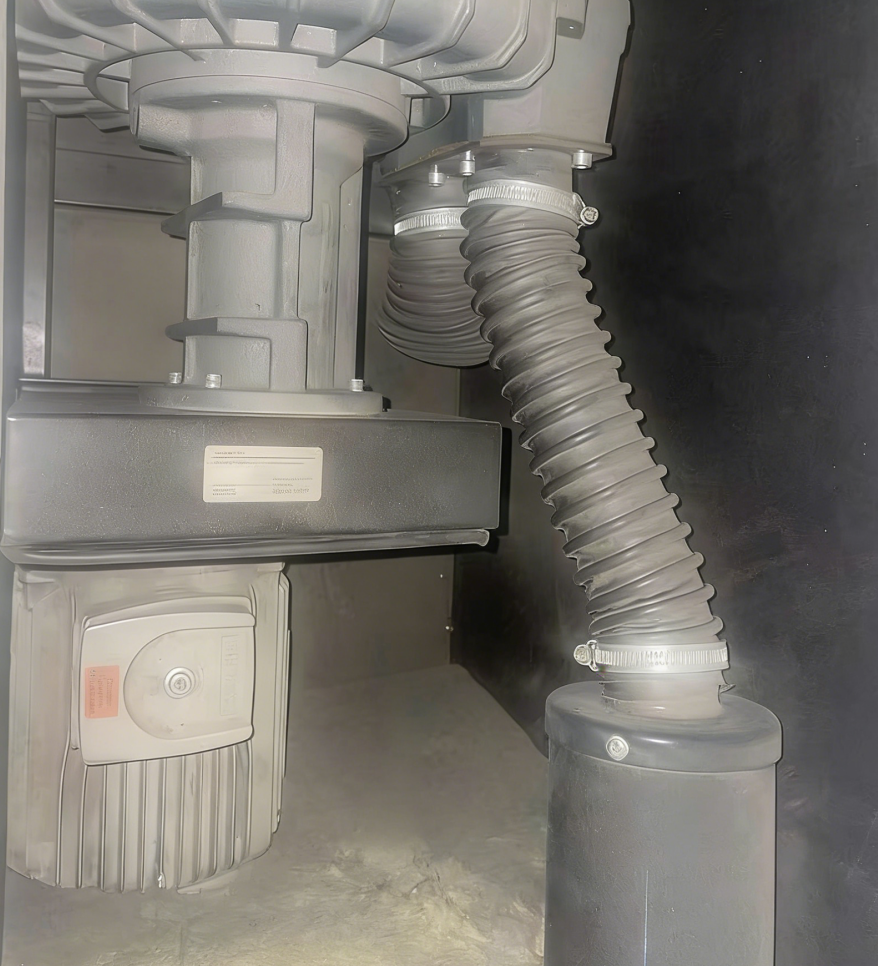
II. Working Principle (Spring-Loaded Automatic Relief Valve)
Based on the pressure balance principle, it operates fully automatically without external power:
Normal Operation: System pressure ≤ set value. The spring preload is greater than the medium's thrust on the valve disc. The valve remains closed and sealed.
Overpressure Operation: System pressure > set value. Medium thrust exceeds the spring force, pushing the valve disc open to release gas and drop the pressure.
Pressure Recovery: Once pressure falls below the set value, the spring resets, closing the valve to resume normal operation.
Pressure Adjustment: The opening pressure is set by turning the adjusting screw to change the spring preload (clockwise to increase, counterclockwise to decrease).
III. Installation and Usage Instructions
1. Installation Key Points
Location Selection:
Blowing / Positive Pressure Systems: Install at the blower outlet, close to the blower.
Vacuum / Negative Pressure Systems: Install at the blower inlet.
Correct Direction: The arrow on the valve body must align with the airflow direction. Do not install backward.
Requirements: Install vertically for easy adjustment and maintenance. The outlet should connect to a safety vent pipe to avoid injury or pollution.
2. Pressure Setting Steps (e.g., Roots Blower)
Start the blower with the gate valve fully open and monitor the pressure gauge.
Slowly close the gate valve until the system pressure reaches the target set value + 10%.
Loosen the relief valve's lock nut and turn the adjusting screw counterclockwise until gas is released.
If it exhausts before reaching the set pressure, tighten the screw clockwise until exhaust stops, then fine-tune counterclockwise until it just starts to exhaust.
Tighten the lock nut to secure the setting.
Open the gate valve; the pressure will drop, and the relief valve should close. Repeat the pressure buildup test to confirm it opens at the exact set value.
3. Daily Usage and Maintenance
Operation Monitoring: Pay attention to frequent valve exhaust, which may indicate blockages or abnormal loads.
Regular Inspection: Test the opening pressure monthly. Clean internal debris to ensure the spring and valve disc move freely without sticking.
Troubleshooting: If the valve stays open, check for damaged or stuck discs/springs. If it fails to relieve pressure, reset the pressure or replace components.
Q: Where to install a blower pressure relief valve?
A: For positive pressure systems, install at the outlet. For vacuum systems, install at the inlet. Ensure vertical installation.
Q: How to adjust the pressure on a relief valve?
A: Turn the adjusting screw clockwise to increase pressure and counterclockwise to decrease it.